

Twelve theses on ICE
Lessons from the frontlines

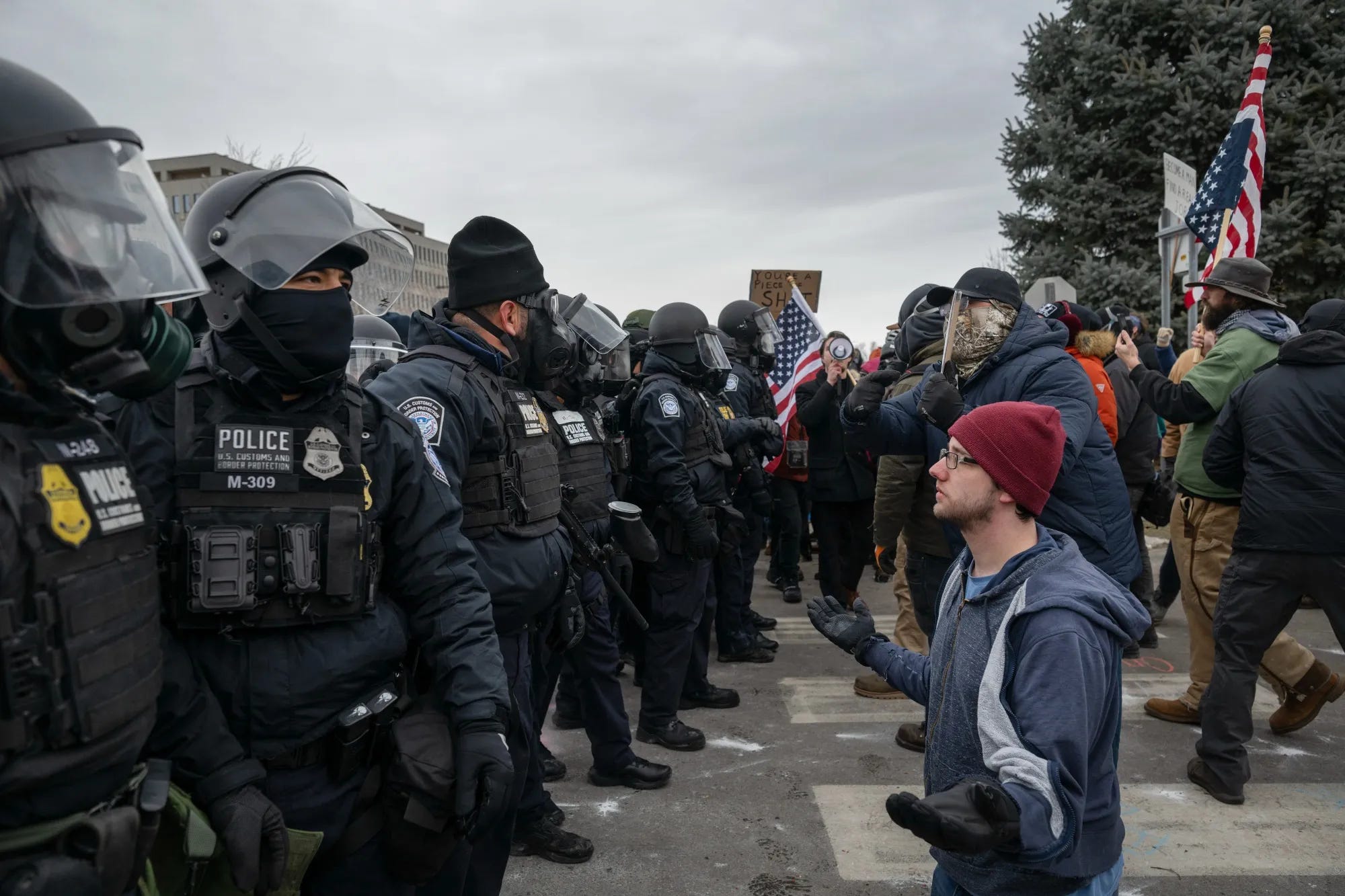
Some of what I’ve learned from my time in the ICE resistance:
You are not safe. If you are a citizen, they will kill you. If you are white, they will kill you. If you are “obeying the law,” they will kill you. Unless you’re on Jeffrey Epstein’s flight logs, they will kill you.
The police will not protect you. Over 700 state and local agencies have partnered with ICE to facilitate information sharing, jail-based identification, and street-level enforcement.
Even “sanctuary cities” routinely send fingerprints of booked individuals to federal databases, which automatically alerts ICE. And new programs like Operation Guardian Angel use federal resources to make arrests in sanctuary jurisdictions.
The Democratic Party is beyond reform. Elected Democrats have consistently voted to fund ICE and benefit from the current opportunity to “take a stand” against it. The single greatest architect of the current ICE regime is Barack Obama.
No organization can meet this moment alone. We need new groups, cooperation between existing groups, and respect for autonomous organizers. When organizations dissolve, we should preserve the relationships they fostered.
Union leaders have proven themselves to be conservative and reactionary. The radical potential of the labor movement lies with the rank and file—they should be prioritized.
Take your cues from impacted communities. We are often working across profound differences, and sometimes assumptions can creep in that reproduce the hierarchies that divide us.
The general strike is our single most powerful tool. We must broaden it to encompass a wider range of cities and industries, and deepen it to inflict as much economic damage as possible.
Large public protests do not directly lead to change, but they do provide valuable opportunities to recruit, make connections, and pull sympathetic folks toward more sustained efforts.
Abolishing ICE is the beginning, not the end. If you haven’t watched the video of Kwame Ture discussing the distinction between mobilization and organization, you should. We need a positive vision.
It is easier to radicalize those who are closer to you that those who are further away. Political organization is essentially an aiming of preexisting ties toward a better world. Talk to your friends, neighbors, coworkers, and family members.
It is okay to have needs. It is okay to rest. It is not helpful to burn out or injure yourself for some perceived short-term gain. Our struggle is a long one, and is eager to welcome you as you are, with whatever you have, whenever you are ready.